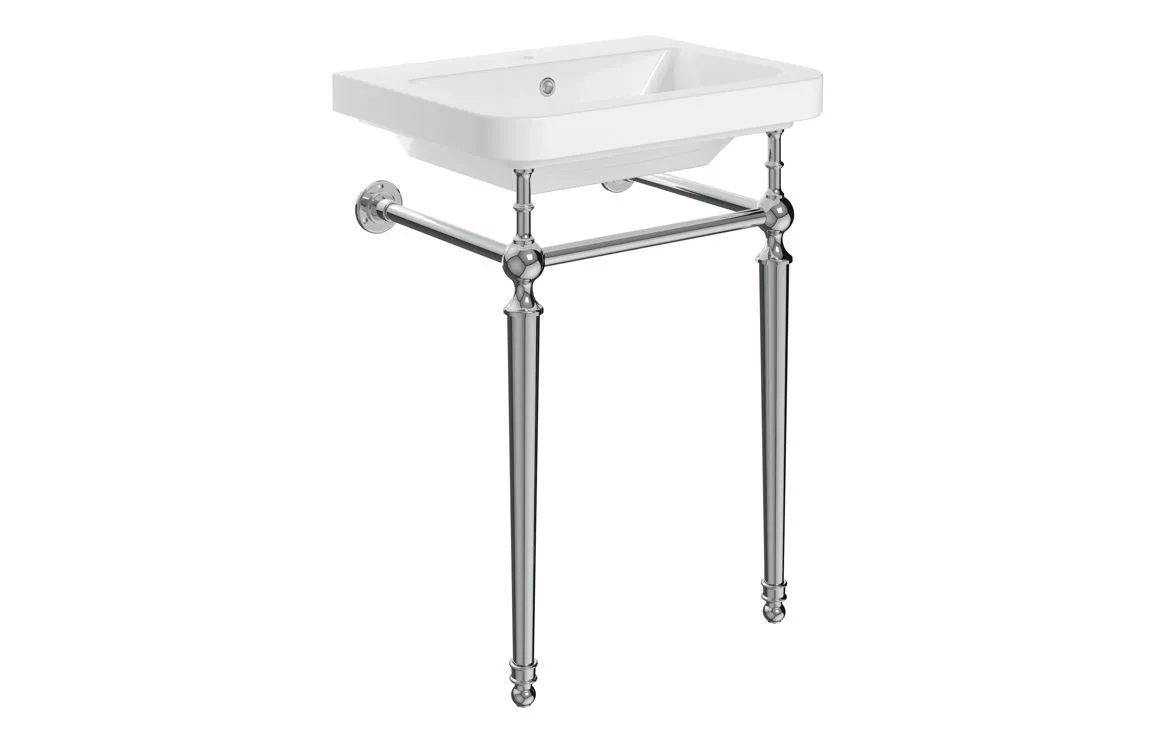
Basins (washbasins or bathroom sinks) come in a range of styles, and the type you choose affects both the look of the bathroom and how the space functions.
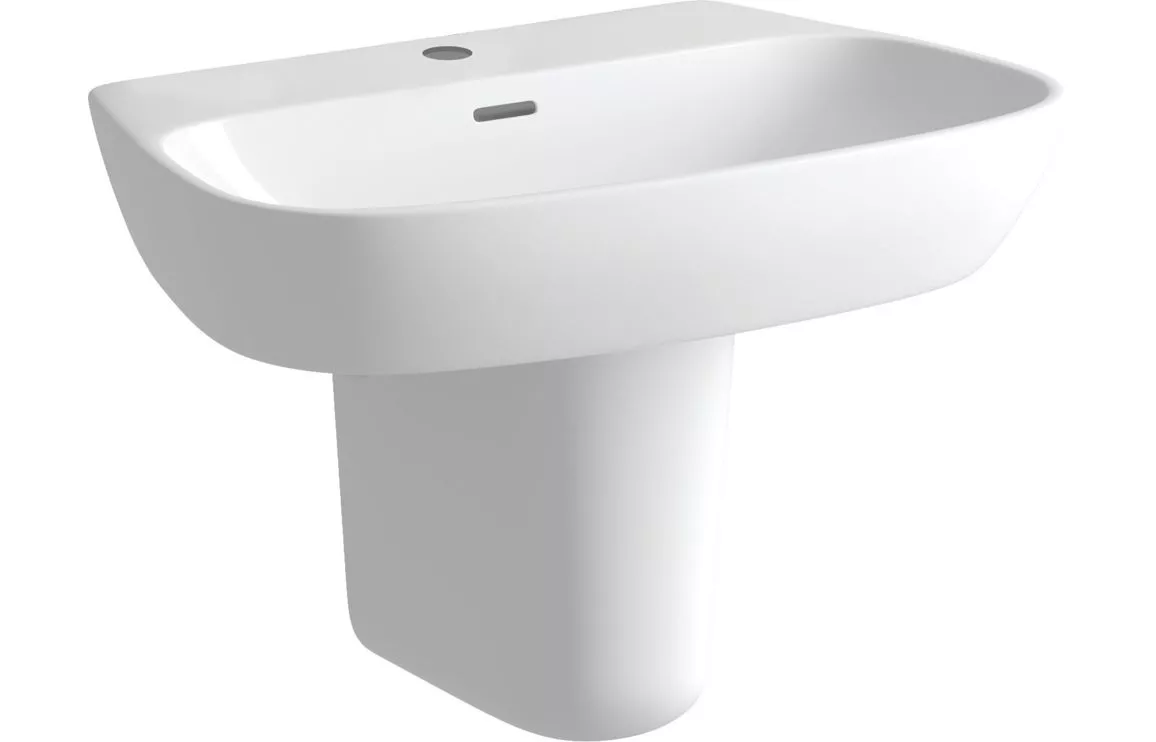
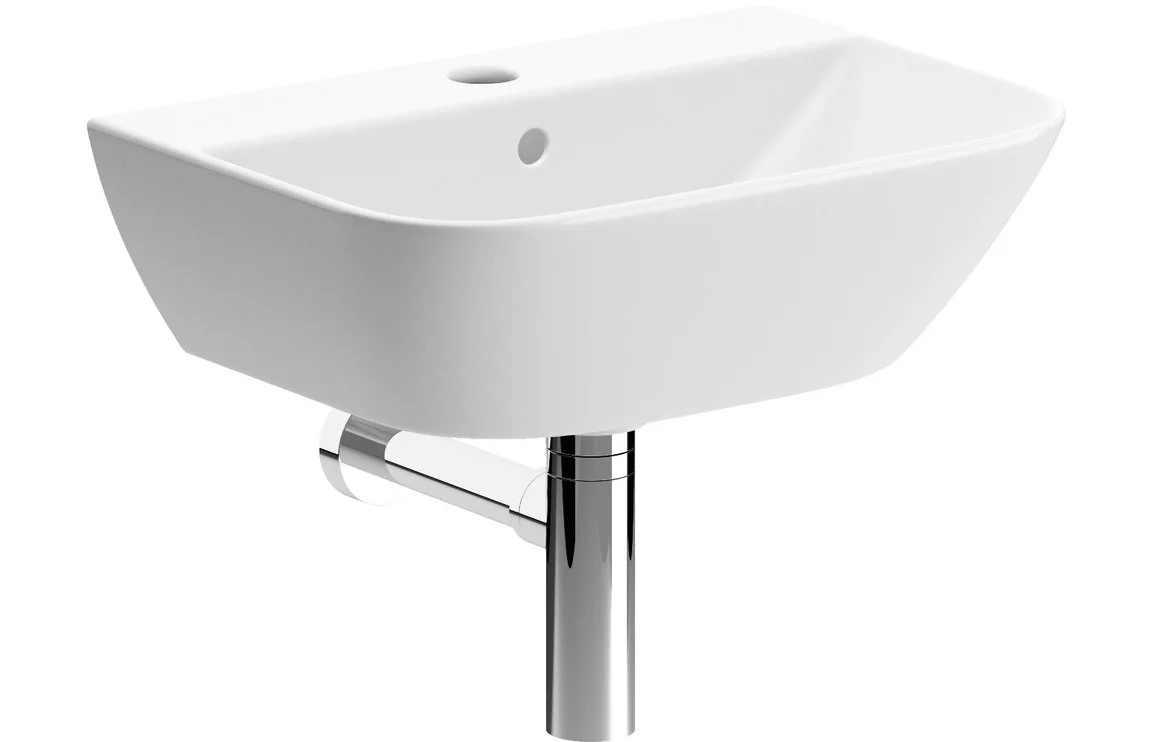
One of the most common types is the wall-hung basin. This basin is fixed directly to the wall with no unit underneath. It gives a clean, open look and makes a small bathroom feel more spacious. Because the floor underneath is clear, it’s also easier to clean. Pipework can be exposed or hidden with a bottle trap or cover.
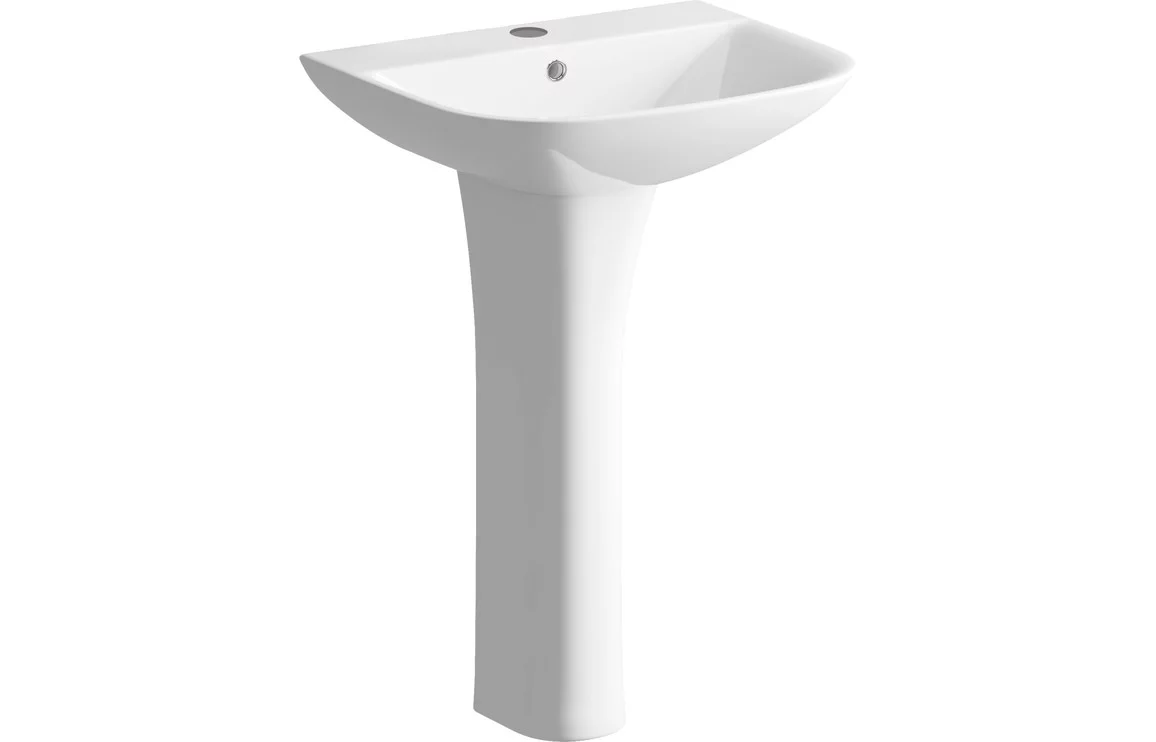
Pedestal basins are a classic option. The basin is supported by a pedestal that hides the pipework. A full pedestal reaches the floor, while a semi-pedestal is wall-mounted and leaves more floor visible. These are popular in traditional bathrooms and cloakrooms.
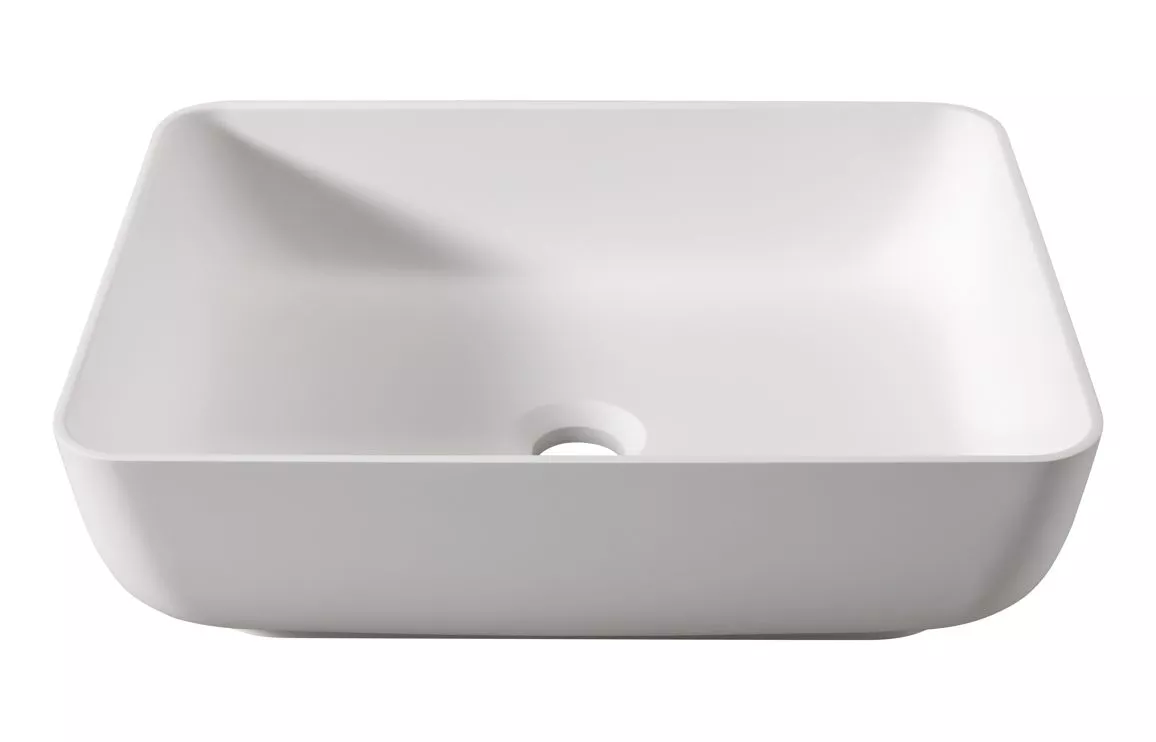
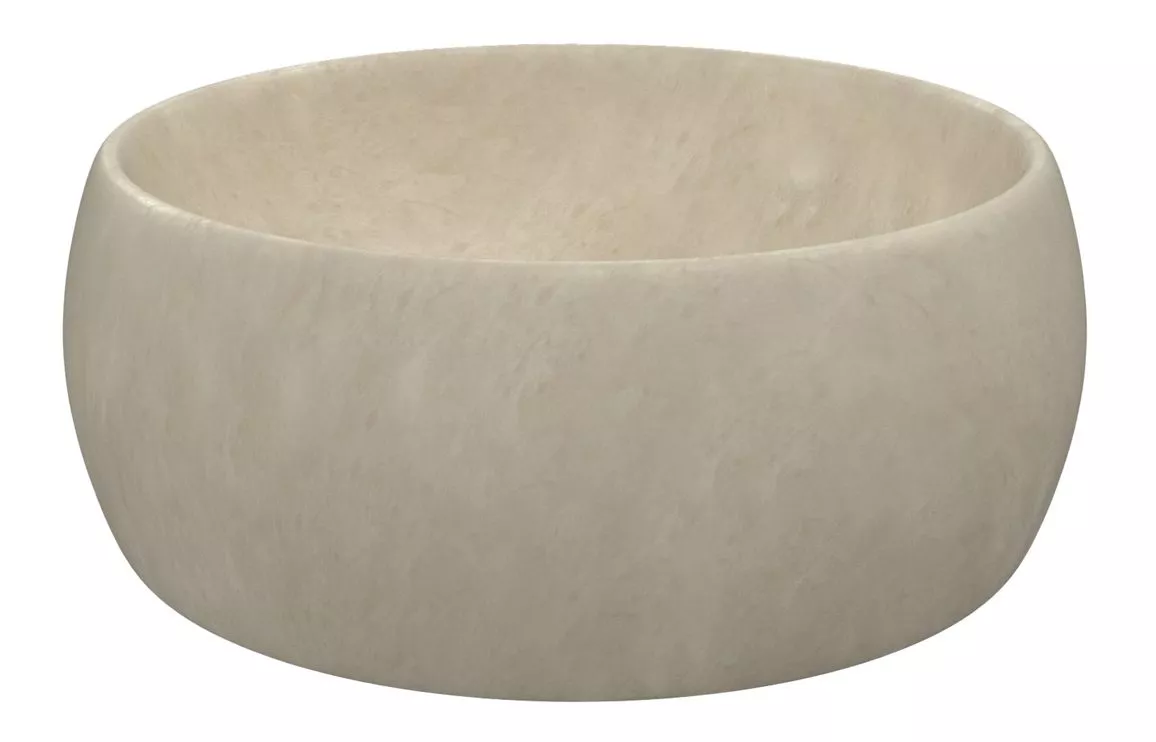
Countertop basins sit fully on top of a vanity unit or worktop. They are often bowl-shaped and create a strong design feature. This style is common in modern bathrooms and allows storage inside the unit below. Tap choice is important, as you may need a tall mixer tap or wall-mounted tap.
Inset basins are fitted into a worktop or vanity unit. The rim sits on the surface, while the bowl drops below. This gives a neat, practical finish and is easy to keep clean, as water can be wiped straight into the basin.
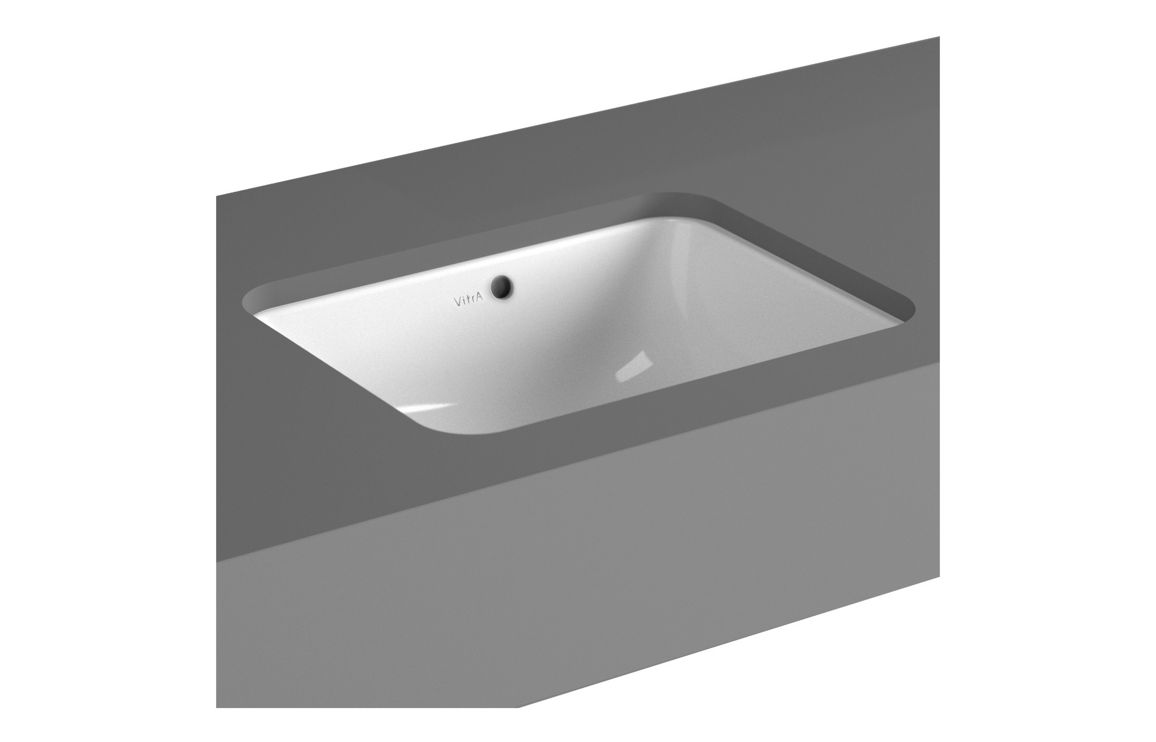
Undermount basins are installed beneath the worktop, so the basin edge is hidden. This creates a smooth, seamless surface and a high-end look. It’s often used with stone or solid-surface worktops.
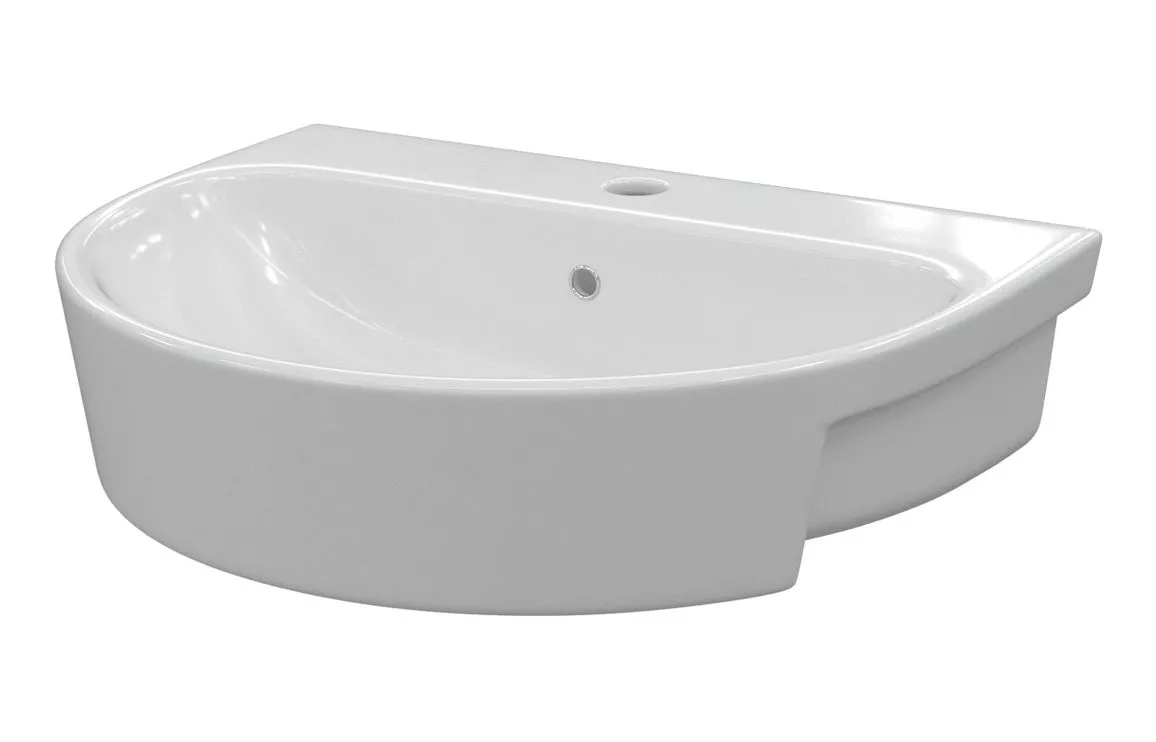
Semi-recessed basins are partly set into a unit but project slightly forward. They are useful in smaller bathrooms because the unit can be shallower, yet you still get a good-sized bowl.
Cloakroom basins are compact basins designed for small spaces like downstairs toilets. They are narrower and shallower but still provide enough room for handwashing.
Corner basins are shaped to fit into a corner, helping make use of awkward or tight spaces.
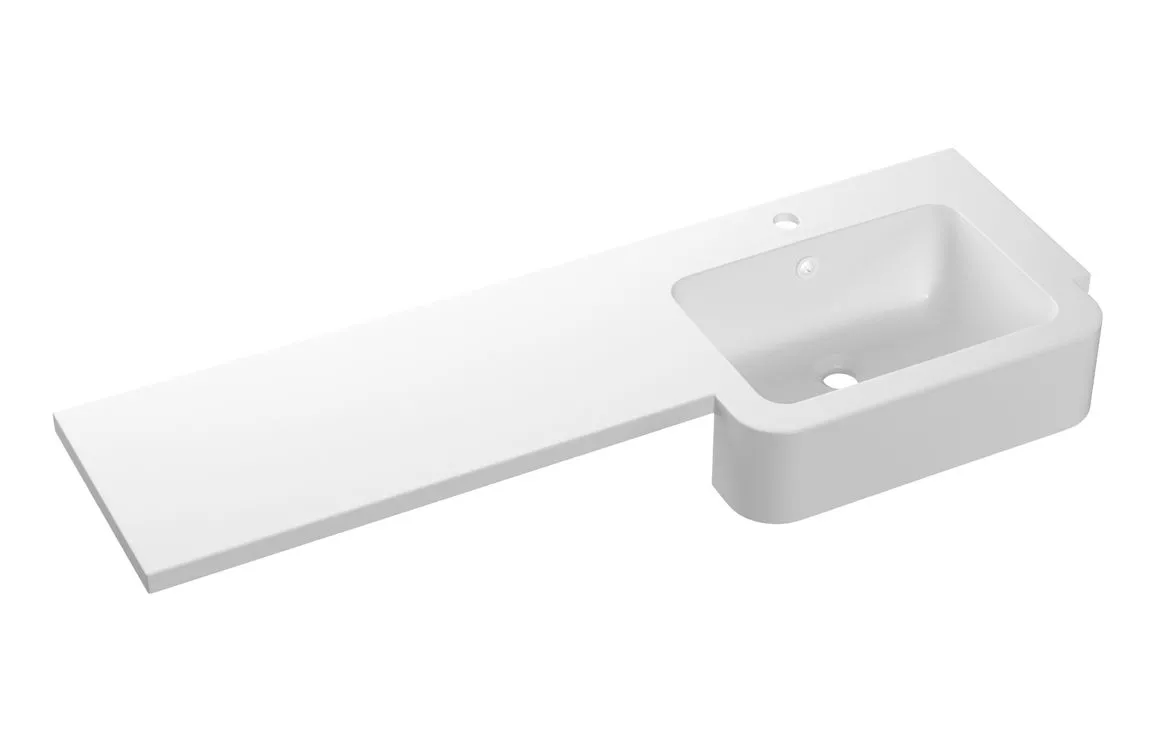
Furniture basins are designed specifically to sit on bathroom vanity units. They are often wide with integrated tap holes and may include space on the sides for toiletries.
In terms of shape, basins can be round, square, rectangular, oval, or more sculptural designs. Most are made from ceramic or vitreous china, though materials like stone resin, glass, or solid surface are also used in modern designs.
Choosing the right basin depends on available space, storage needs, tap style, and the overall bathroom design. Some styles focus on saving space, while others are chosen mainly for visual impact.